Magazine release
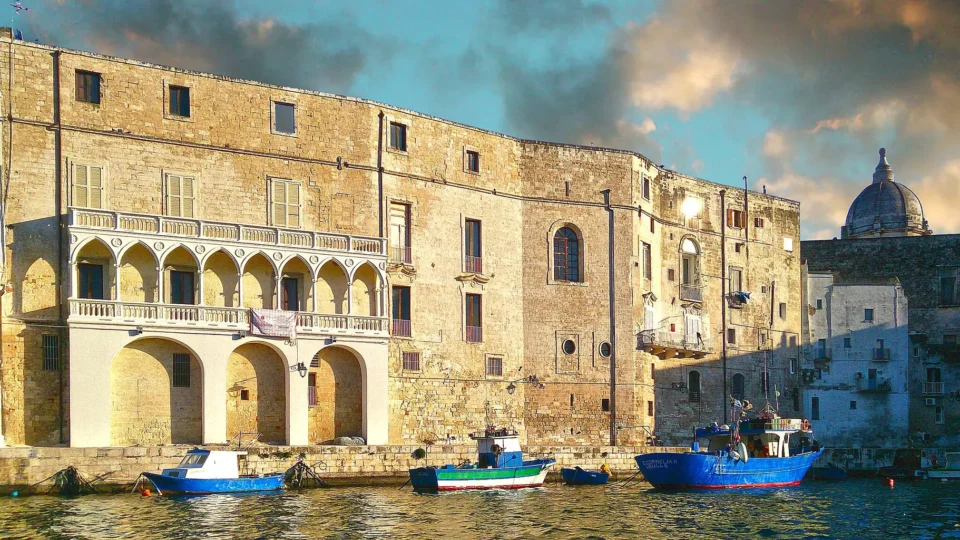
How did people experience modernity in the region of Bambarone La Masseria?
Puglia during the two world wars of the 20th century The end of the First World War (in which Italy fought on the side of the Entente, the victorious powers) in 1919 triggered a serious national crisis, which led to the rise to power of Benito Mussolini’s Fascist Party in 1922. In the two years […]
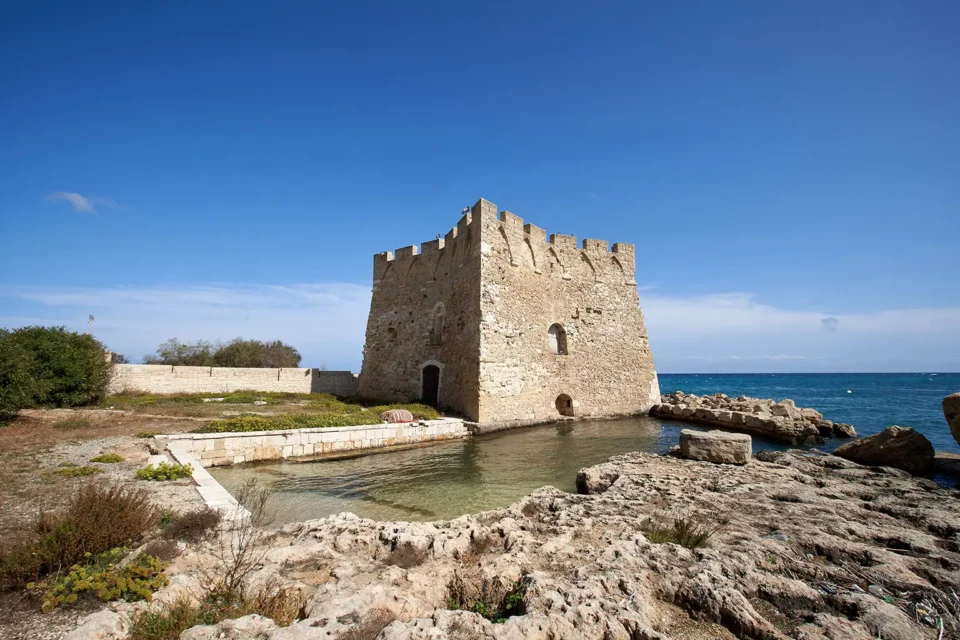
How did the masseria develop in Puglia after the Middle Ages?
After the crisis of the 14th century, the military expansion of the Ottoman Empire in the Balkans represented a new and lasting threat to the coastal areas of Puglia. The conquest of Constantinople by Sultan Mehmed II in 1453 sealed the end of the Byzantine Empire and a new superpower competed with the Italian Republics of Venice and Genoa, the Papal States and the Order of Malta for economic and political supremacy in the Mediterranean.
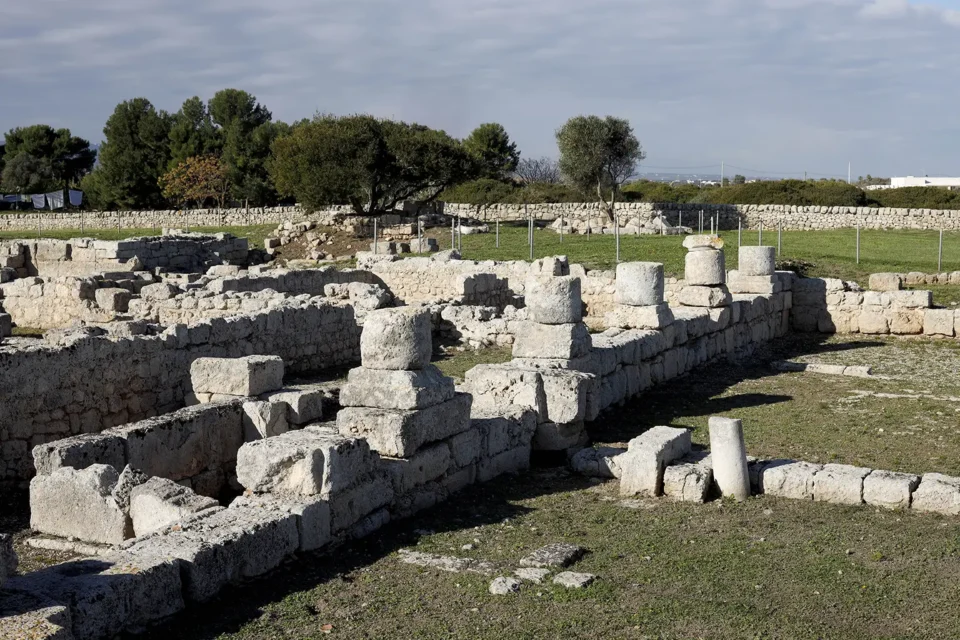
How did early Christianity, the Middle Ages and foreign cultures shape the land around Bambarone La Masseria?
The destruction caused by an earthquake in 365 A.D., on the one hand, and the far-reaching reforms introduced by Emperor Constantine (Roman Emperor from 306 to 337 A.D.), on the other, led to a profound change in Egnazia.
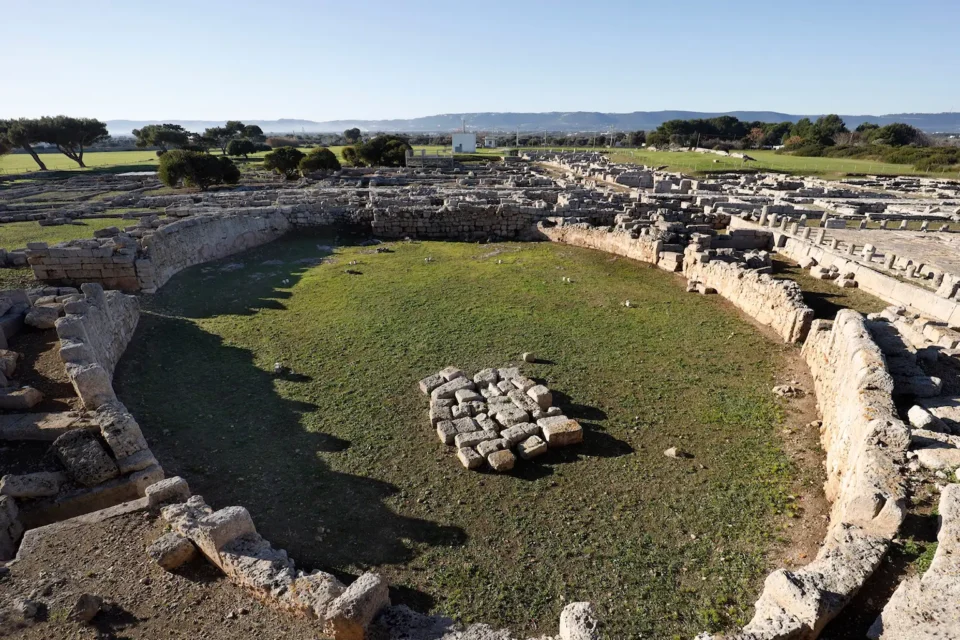
How did people live in the area of Bambarone La Masseria in ancient times?
The first traces of human presence date back to the Pleistocene ice age. Southern Italy was covered by glaciers at high altitudes during the Ice Age, but the climate remained comparatively mild but very dry even during the coldest periods.
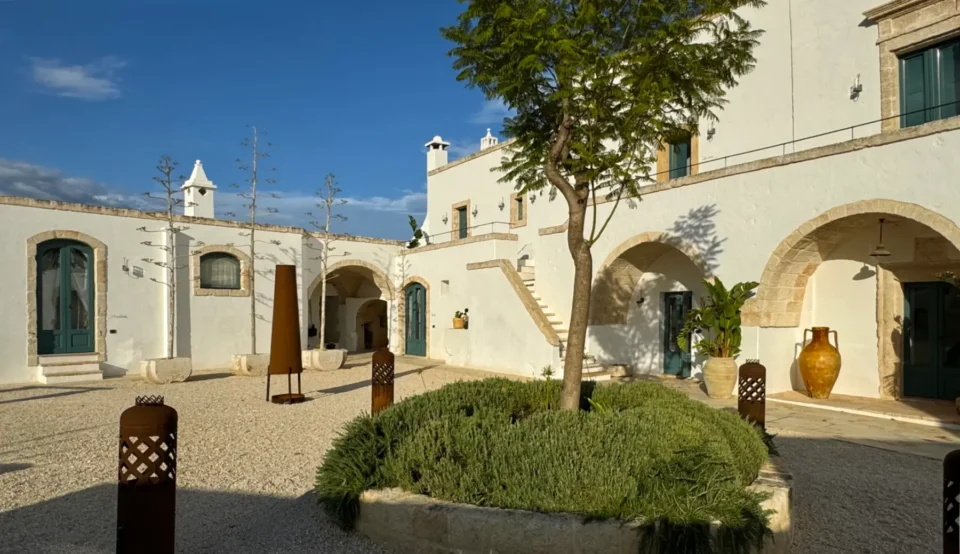
A journey through the history of Apulia
As a tourist explorer, you may find it as interesting as we do to learn about the background and history of the Masseria and the land. Looking at it from the outside, you will be amazed and your eyes will sparkle at these relics of thousands of years of history – for you and for us, this is not your normal, familiar environment.